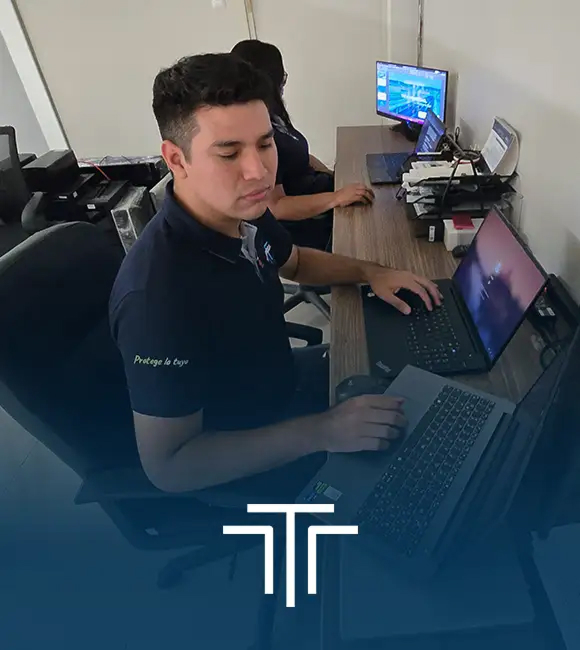
Trusted Logistics Security for Your Cargo
At Transmodal, the security of your cargo is our priority. We implement advanced monitoring technology and rigorous protocols to ensure your goods are protected throughout the entire journey.
Learn MoreKey Features of Our Logistics Security
Immediate and Coordinated Response
Commitment to Excellence
Operational Protocols
and Risk Management
At Transmodal, prevention is the foundation of our service promise. Our protocols are designed to ensure continuous protection, immediate response, and uninterrupted supply chain continuity.
1. Protection Protocol (Active Prevention)
This protocol focuses on securing cargo before risks materialize, minimizing vulnerability at each point along the route.
- Technological Custody: Mandatory implementation of advanced GPS systems and geofencing on 100% of the fleet and critical assets.
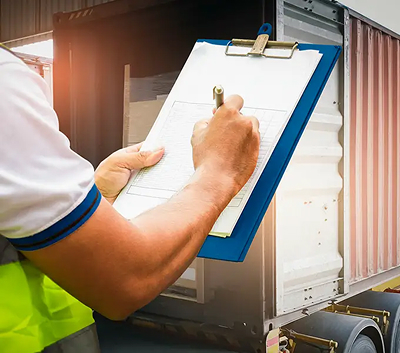
- Pre-Inspection of Assets: Rigorous inspection of vehicles, containers, and handling equipment before each load, ensuring the functionality of safety equipment (seals, alarms, temperature control).
- Safe Route Selection: Use of updated risk maps to define main and alternate routes, prioritizing low-crime areas and regulated transit zones.
- Authorized Yard and Stop Audits: Periodic inspections of our partners and transfer yards to ensure compliance with Transmodal’s physical security and access control standards.
2. Reaction and Contingency Protocol
Defines the steps to take immediately after detecting an anomaly or incident, focusing on safety and loss minimization.
- Immediate Alert: Activation of a 24/7 monitoring center that detects and classifies alerts (route deviation, door opening, signal jamming) in less than 5 minutes.
- Crisis Command Chain: Activation of an emergency response team that coordinates in real-time with authorities, private security teams, and the assigned risk manager.
- Transparent Communication: Immediate contact with the client (depending on the level of the crisis) to inform them of the situation and corrective actions taken.
- Forensic Record: Exhaustive and unalterable documentation of the event for insurance purposes, regulatory compliance, and post-incident analysis.
3. Business Continuity Protocol (Recovery)
This protocol ensures that even after an incident, the supply chain is quickly restored with predefined backup resources.

- Asset Replacement: Quick access to backup vehicles or containers at strategic hubs to transfer the cargo and continue the journey with minimal delay.
- Data Backup: Remote and encrypted backups of all shipment, customs, and traceability data, ensuring critical information is always available.
- Post-Incident Analysis: Evaluation of the root cause of the incident to adjust and strengthen protection protocols, preventing recurrence and continuously improving the risk management system.
4. Ongoing Training and Certification
Operational excellence is supported by the knowledge and skills of our team.

- Security Training: Mandatory and recurring programs for all staff (operators, brokers, and administrative personnel) on crisis management, risk prevention, and compliance with cargo protection protocols.
- Compliance Certifications: Ongoing training in key international regulations such as C-TPAT and specific sector regulations (e.g., GDP for pharmaceuticals).
- Response Drills: Periodic crisis and technology failure drills to evaluate the effectiveness of the Reaction Protocol and ensure the team responds accurately and in coordination under pressure.
1. Protection Protocol (Active Prevention)
This protocol focuses on securing cargo before risks materialize, minimizing vulnerability at each point along the route.
- Technological Custody: Mandatory implementation of advanced GPS systems and geofencing on 100% of the fleet and critical assets.
- Pre-Inspection of Assets: Rigorous inspection of vehicles, containers, and handling equipment before each load, ensuring the functionality of safety equipment (seals, alarms, temperature control).
- Safe Route Selection: Use of updated risk maps to define main and alternate routes, prioritizing low-crime areas and regulated transit zones.
- Authorized Yard and Stop Audits: Periodic inspections of our partners and transfer yards to ensure compliance with Transmodal’s physical security and access control standards.
2. Reaction and Contingency Protocol
Defines the steps to take immediately after detecting an anomaly or incident, focusing on safety and loss minimization.
- Immediate Alert: Activation of a 24/7 monitoring center that detects and classifies alerts (route deviation, door opening, signal jamming) in less than 5 minutes.
- Crisis Command Chain: Activation of an emergency response team that coordinates in real-time with authorities, private security teams, and the assigned risk manager.
- Transparent Communication: Immediate contact with the client (depending on the level of the crisis) to inform them of the situation and corrective actions taken.
- Forensic Record: Exhaustive and unalterable documentation of the event for insurance purposes, regulatory compliance, and post-incident analysis.
3. Business Continuity Protocol (Recovery)
This protocol ensures that even after an incident, the supply chain is quickly restored with predefined backup resources.
- Asset Replacement: Quick access to backup vehicles or containers at strategic hubs to transfer the cargo and continue the journey with minimal delay.
- Data Backup: Remote and encrypted backups of all shipment, customs, and traceability data, ensuring critical information is always available.
- Post-Incident Analysis: Evaluation of the root cause of the incident to adjust and strengthen protection protocols, preventing recurrence and continuously improving the risk management system.
4. Ongoing Training and Certification
Operational excellence is supported by the knowledge and skills of our team.
- Security Training: Mandatory and recurring programs for all staff (operators, brokers, and administrative personnel) on crisis management, risk prevention, and compliance with cargo protection protocols.
- Compliance Certifications: Ongoing training in key international regulations such as C-TPAT and specific sector regulations (e.g., GDP for pharmaceuticals).
- Response Drills: Periodic crisis and technology failure drills to evaluate the effectiveness of the Reaction Protocol and ensure the team responds accurately and in coordination under pressure.
FAQs
Find answers to the most frequently asked questions about our security protocols.
Through 360° Operational Shield, applying multi-layer security protocols, monitored routes, and smart seals to mitigate risks and ensure cargo integrity.
We use a unified digital platform with advanced GPS, offering 24/7 real-time visibility and generating immediate alerts for any route deviation or anomalous events.
We apply strict custody protocols and specialized supervision at ports and intermodal terminals, documenting each change to eliminate risk at logistical friction points.
We implement robust cybersecurity measures and comply with international standards to ensure the confidentiality, integrity, and availability of all your logistics data.
Yes. We offer customized insurance and coverage tailored to the value and type of your goods, with expert advice to establish the appropriate financial protection.
Our expert team ensures strict compliance with international regulations (C-TPAT) and industry-specific regulations, minimizing delays and legal risks in every operation.
Discover How We Protect Your Cargo
Leave your information, and one of our experts will contact you to explain our advanced security solutions and how we ensure the protection of your goods.